

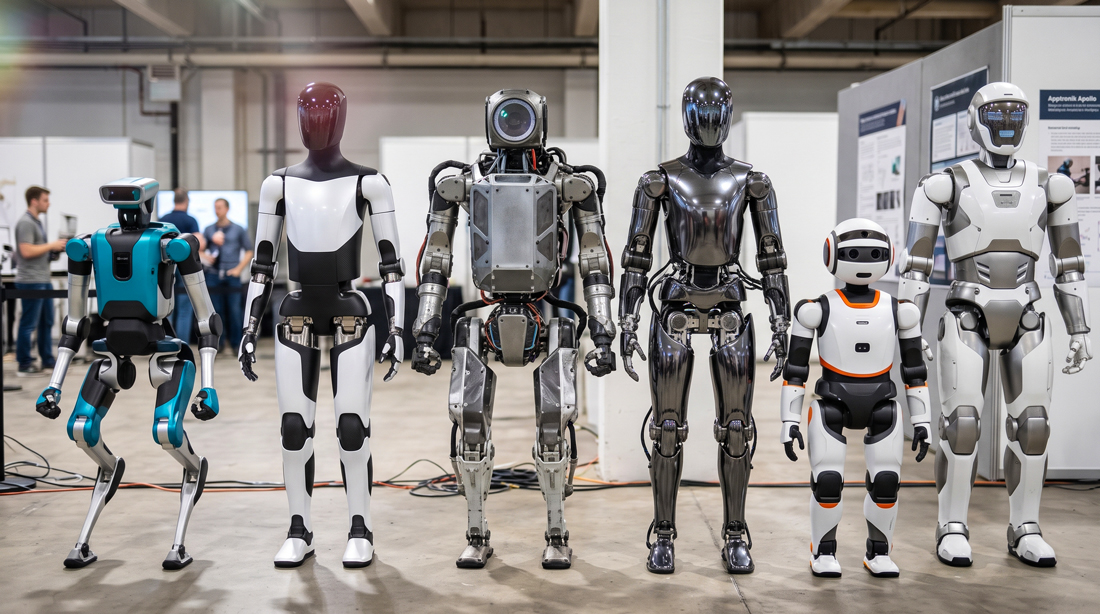
Robotics used to be an easy place to make a flashy demo and a hard place to make a business. That balance is shifting. Investors are putting more money behind companies building robots for factories, warehouses and other work sites, betting that newer AI tools can help machines handle more varied tasks.
Why the money is moving
The pitch combines two forces: businesses need help with repetitive or physically demanding work, and AI is making robots more adaptable. Traditional industrial robots are excellent at repeating a carefully programmed movement. Newer systems aim to perceive what is around them, respond to changes and learn tasks from demonstrations or data.
That could make automation useful in more places, including older factories that cannot be rebuilt around a robot, or warehouses where the work changes from one shift to the next. Labour shortages and efforts to build more production closer to home add to the interest. Investors see a chance to sell machines, software and ongoing services to companies already looking for ways to keep operations moving.
What investors are backing
The funding is flowing into more than humanoid robots. Some startups are developing robotic arms that can be added to existing production lines. Others are building the AI models that help machines recognize objects, plan movements and respond to unfamiliar situations. Simulation is another area of interest: training a robot in a virtual environment can generate practice data without requiring a human to reset a real-world task thousands of times.
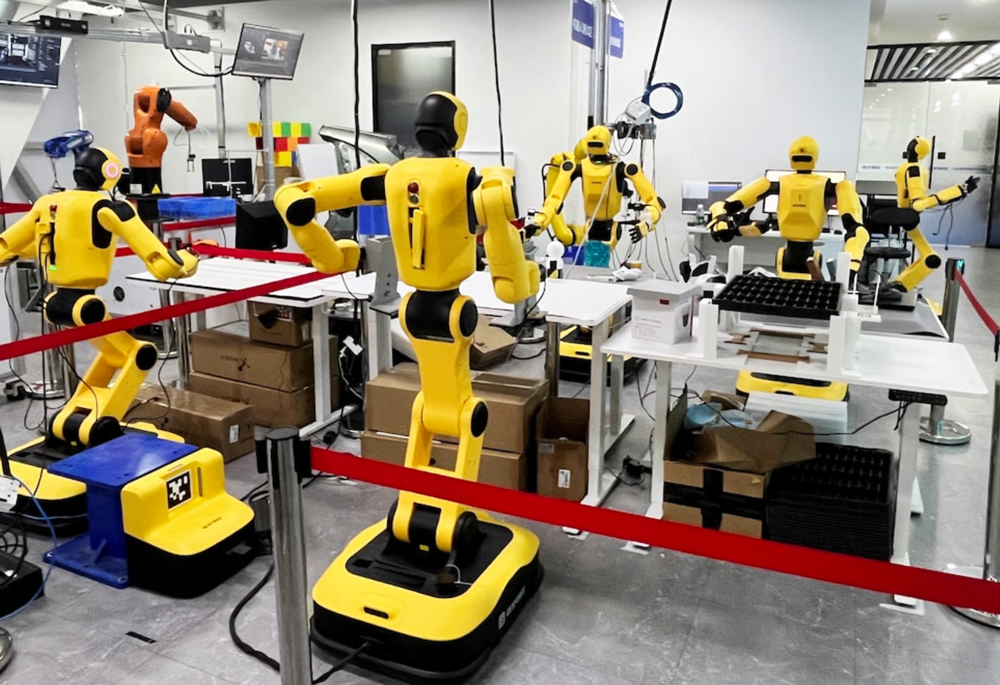
Recent funding rounds illustrate the range. Chinese startup DexForce raised 1 billion yuan, about US$147 million, for its robotics work, including training systems that use virtual data. In Germany, industrial robotics firm RobCo reached a reported US$1 billion valuation after raising fresh capital. And Nvidia’s recent push into “physical AI” reflects how chip and software companies want to supply the computing tools behind the machines, as well as the machinery itself.
Humanoids attract the biggest headlines because they look like they could fit into spaces designed for people. But a robot does not need two legs and a dramatic entrance to be useful. A dependable arm that loads a machine or sorts goods may have a much clearer business case.
The real test starts on the floor
A robot can look impressively capable in a carefully staged demonstration and still struggle with the ordinary mess of a workday: an object in the wrong place, a change in lighting, a tool that slips, or a task that needs a slightly different grip. Human hands remain remarkably good at adapting. Matching that flexibility safely and consistently is a major engineering challenge.
There are signs of progress in real production settings. BMW says a Figure AI robot supported work at its Spartanburg plant over ten months, helping with production of more than 30,000 BMW X3 vehicles. That is a useful step beyond a lab trial, but it does not mean a general-purpose robot is ready to take on every job across a factory.
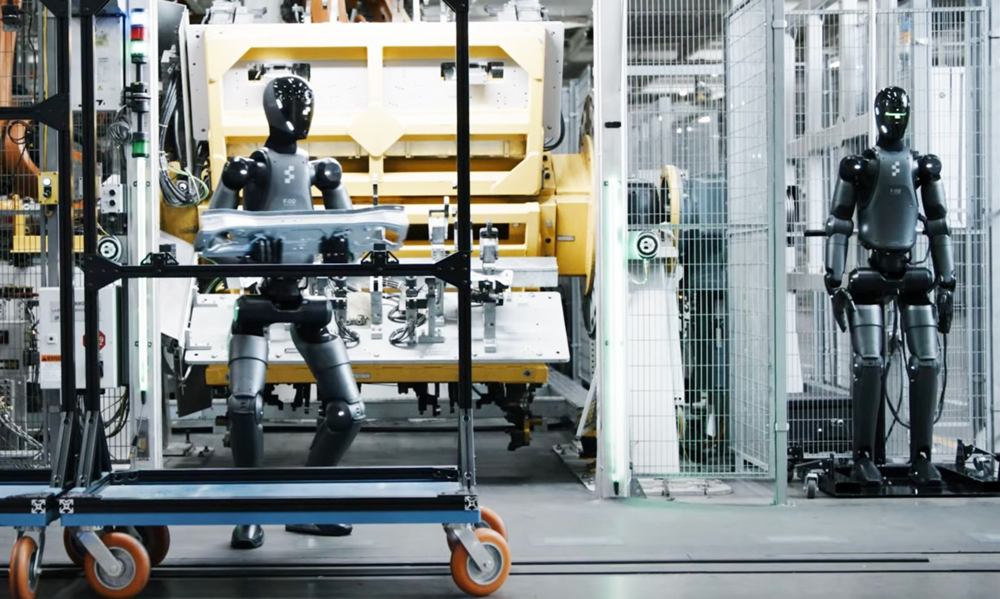
The business case has to work, too. Companies will want robots that run for long shifts, recover quickly when something goes wrong, fit existing workflows and cost less than the time or labour they save. Then there is the less glamorous work of manufacturing, servicing and updating fleets of machines. The demo may get the applause; uptime gets the purchase order.
Final Byte
The investment wave makes sense: robots are becoming more capable, companies need practical help with difficult or repetitive work, and AI is giving machines better ways to learn and respond. But the long-term winners won’t be decided by the most impressive launch video or the most human-looking hands. They’ll be the companies that can build machines at a sensible cost, install them without disrupting a whole operation, keep them running safely, and prove they save time shift after shift.
That’s a tougher milestone than getting a robot to wave at a conference. The real breakthrough will be when a warehouse manager or factory operator can point to a specific job and say: it’s done more reliably, the team’s work is safer, and the numbers add up. Until then, the funding is a vote of confidence in robotics’ potential—not proof that the robot revolution has clocked in.
